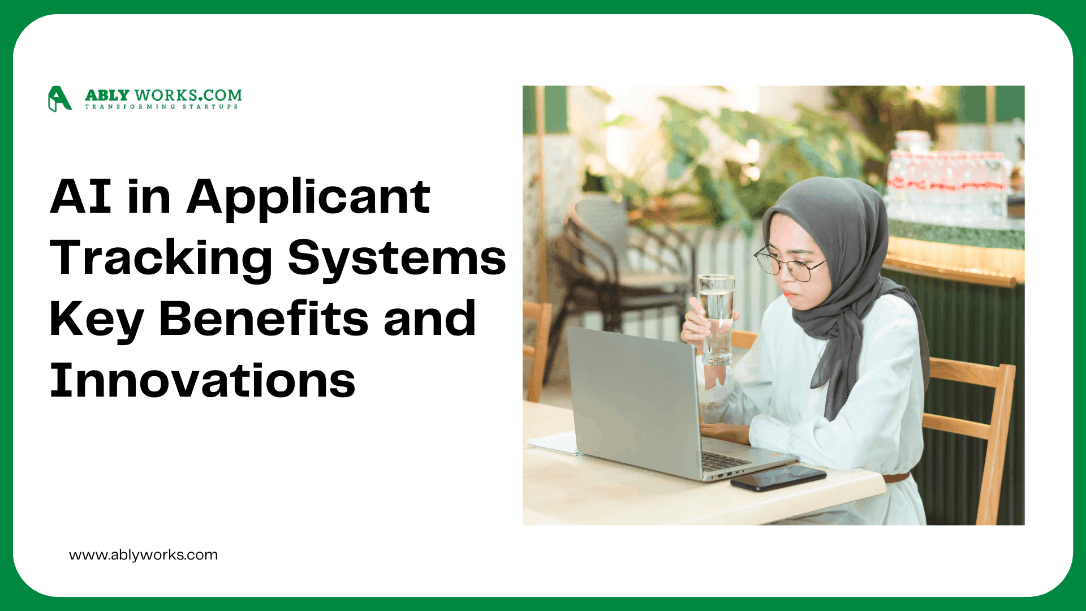
Recruitment in 2026 is no longer just about filling positions. Businesses now focus on hiring faster, improving candidate experience, and making data-driven decisions.
This is where AI-powered ATS software plays a major role. An Applicant Tracking System with AI helps automate recruitment, improve hiring accuracy, and reduce manual effort.
If you are looking for the best ATS software for startups or businesses, understanding how AI is transforming recruitment is essential.
What is AI in Applicant Tracking Systems
AI in ATS software refers to the use of machine learning and automation to improve hiring processes such as resume screening, candidate matching, and interview scheduling.
Modern AI ATS tools help recruiters save time, reduce hiring costs, and improve candidate quality.
Key Benefits of AI in ATS Software
1. Faster Hiring with AI Automation
AI-powered ATS software automates resume screening, interview scheduling, and follow-ups.
- Reduces time to hire
- Speeds up candidate shortlisting
- Improves hiring efficiency
Keyword Focus: fast hiring software, AI hiring tools, ATS software for startups
2. Better Candidate Experience
A smooth hiring process improves candidate engagement and reduces drop-offs.
- Automated communication
- Real-time updates
- Personalized candidate journey
SEO Keywords: candidate experience, recruitment software, hiring automation
3. Bias-Free Hiring Process
AI ATS tools evaluate candidates based on skills and experience instead of personal bias.
- Fair candidate screening
- Improved diversity hiring
- Better hiring decisions
Keyword Focus: diversity hiring, AI recruitment tools
4. Scalable Recruitment for Startups
Whether hiring for 5 roles or 500, ATS software scales easily.
- Handles bulk hiring
- Supports growing teams
- Maintains consistency
SEO Keywords: ATS software for small businesses, startup hiring tools
5. Data-Driven Hiring Decisions
AI ATS provides real-time analytics to improve recruitment strategies.
- Track time to hire
- Measure the source of hire
- Improve hiring performance
Keyword Focus: recruitment analytics, hiring metrics, ATS dashboard
AI Resume Screening Software
AI resume screening software automatically parses resumes, identifies relevant skills, and ranks candidates based on job requirements.
This helps recruiters shortlist top candidates faster without manual effort.
SEO Keywords: resume screening software, AI resume parser, applicant tracking system
AI-Powered Recruitment Workflow
Modern ATS software automates the entire hiring process.
- Job posting automation
- Candidate screening
- Interview scheduling
- Automated follow-ups
This creates a seamless hiring experience for both recruiters and candidates.
ATS Analytics for Better Hiring
ATS analytics helps businesses track recruitment performance and improve hiring strategies.
- Source of hire tracking
- Time to fill roles
- Candidate performance insights
Keyword Focus: hiring analytics, recruitment data, ATS reporting
Future of AI in ATS Software
AI in recruitment is evolving rapidly. Future trends include:
- Predictive hiring models
- AI video interview analysis
- Advanced HRMS integration
Businesses that adopt AI-powered ATS software today will gain a competitive advantage in hiring.
Final Thoughts
AI in ATS software is transforming recruitment by making hiring faster, smarter, and more efficient.
If you want to improve hiring, reduce costs, and scale your team, investing in the best ATS software is the right step.
Frequently Asked Questions
What is AI ATS software
AI ATS software is a recruitment tool that uses artificial intelligence to automate hiring processes.
Is ATS software useful for startups?
Yes, ATS software helps startups manage hiring efficiently and reduce manual work.
Can AI ATS improve hiring quality?
Yes, AI helps match candidates based on skills and improves hiring decisions.
Recent Posts
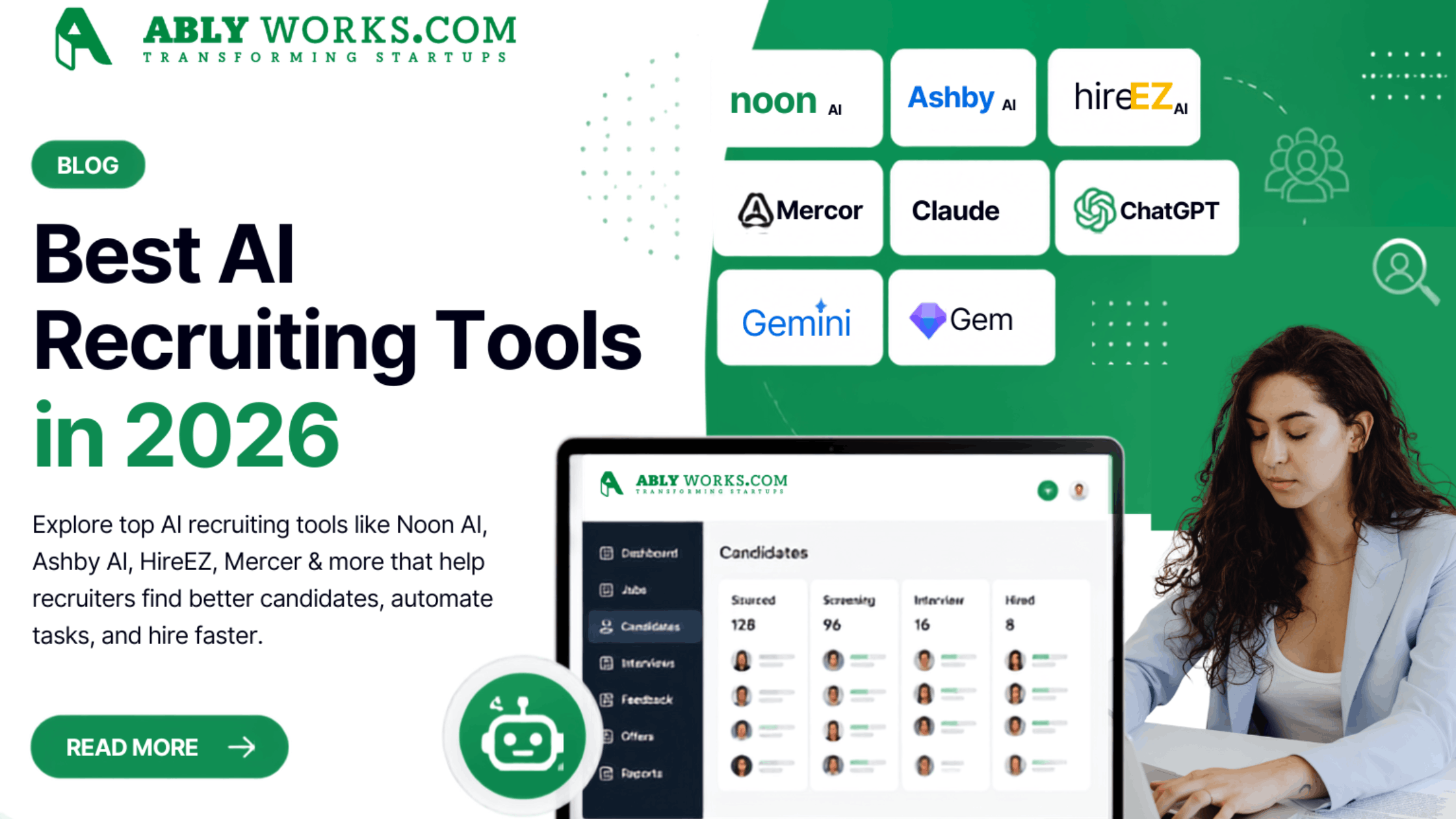
Best AI Recruiting Tools in 2026 like Noon AI, Ashby AI, HireEZ, Mercor, Claude & Why AblyWorks ATS Matters
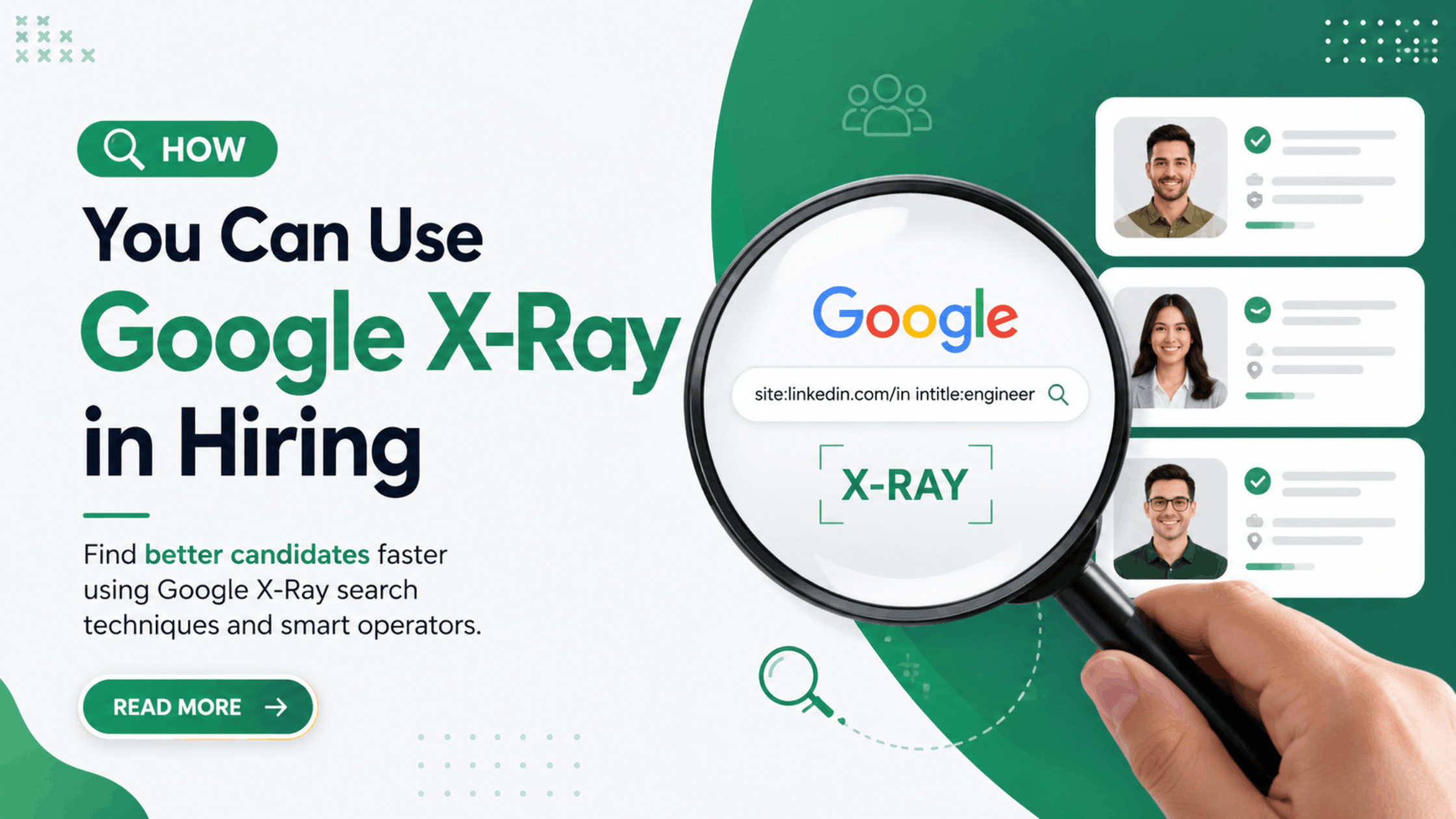
How You Can Use Google X-Ray in Hiring
Why Small Businesses Need an Applicant Tracking System in USA
AI in Applicant Tracking Systems - Key Benefits and Innovations