In 2025, businesses are using AI to simplify operations across every department, so why should hiring still rely on manual processes?
Manually sorting resumes, scheduling interviews, and tracking candidates through spreadsheets can slow down hiring and cause companies to miss top talent.
That is where AI-powered ATS software helps. It automates repetitive hiring tasks, improves candidate quality, and reduces time-to-hire.
Let us understand why businesses are switching to ATS software in 2025 and what features you should look for.
Why Businesses Are Switching to ATS Software in 2025
Recruiters receive applications from multiple job portals such as LinkedIn, Naukri, Glassdoor, Indeed, and career websites. Managing all these applications manually can become difficult.
ATS software helps organize candidate data in one platform where recruiters can screen resumes, track applicants, schedule interviews, and manage the complete hiring workflow efficiently.
Modern ATS platforms also include AI-powered features such as resume parsing, candidate matching, automation, and analytics that help recruiters hire faster and smarter.
Key Features to Look for in ATS Software in 2025
1. AI-Powered Resume Screening
- Automatically screens resumes
- Matches candidates based on skills
- Ranks top applicants faster
2. Candidate Engagement Tools
- Automated emails
- Interview scheduling
- Real-time communication
- Candidate tracking
3. Job Board Integration
- Indeed
- Glassdoor
- Career websites
4. Team Collaboration Features
- Shared notes
- Candidate feedback
- Role based access
5. Diversity Hiring Features
- Blind resume screening
- Bias detection tools
- Diversity analytics
How AI Powered ATS Software Works
Modern ATS software does more than just collect resumes.
- Parses resumes automatically
- Matches candidates with job roles
- Schedules interviews
- Tracks candidate progress
- Improves recruiter communication
It helps hiring teams work faster without relying on manual spreadsheets.
Benefits of Using ATS Software
- Faster hiring process
- Better quality candidates
- Improved candidate experience
- Data driven hiring decisions
- Reduced recruitment costs
ATS Trends You Cannot Ignore in 2025
Here are some major hiring trends shaping recruitment:
- Skills based hiring
- AI powered job matching
- Voice based applications
- Chatbot recruitment
- Diversity hiring tools
Looking for the Right ATS Software Provider?
If your business is planning to move from manual hiring to automated recruitment, choosing the right ATS software can make a huge difference.
The right platform helps reduce hiring costs, improve candidate quality, and streamline your hiring workflow.
- AI powered screening
- Custom workflows
- Multi channel job posting
- Analytics dashboard
- HRMS integrations
- Easy onboarding support
With the right ATS software, startups can hire faster and build stronger teams in 2025.
Recent Posts
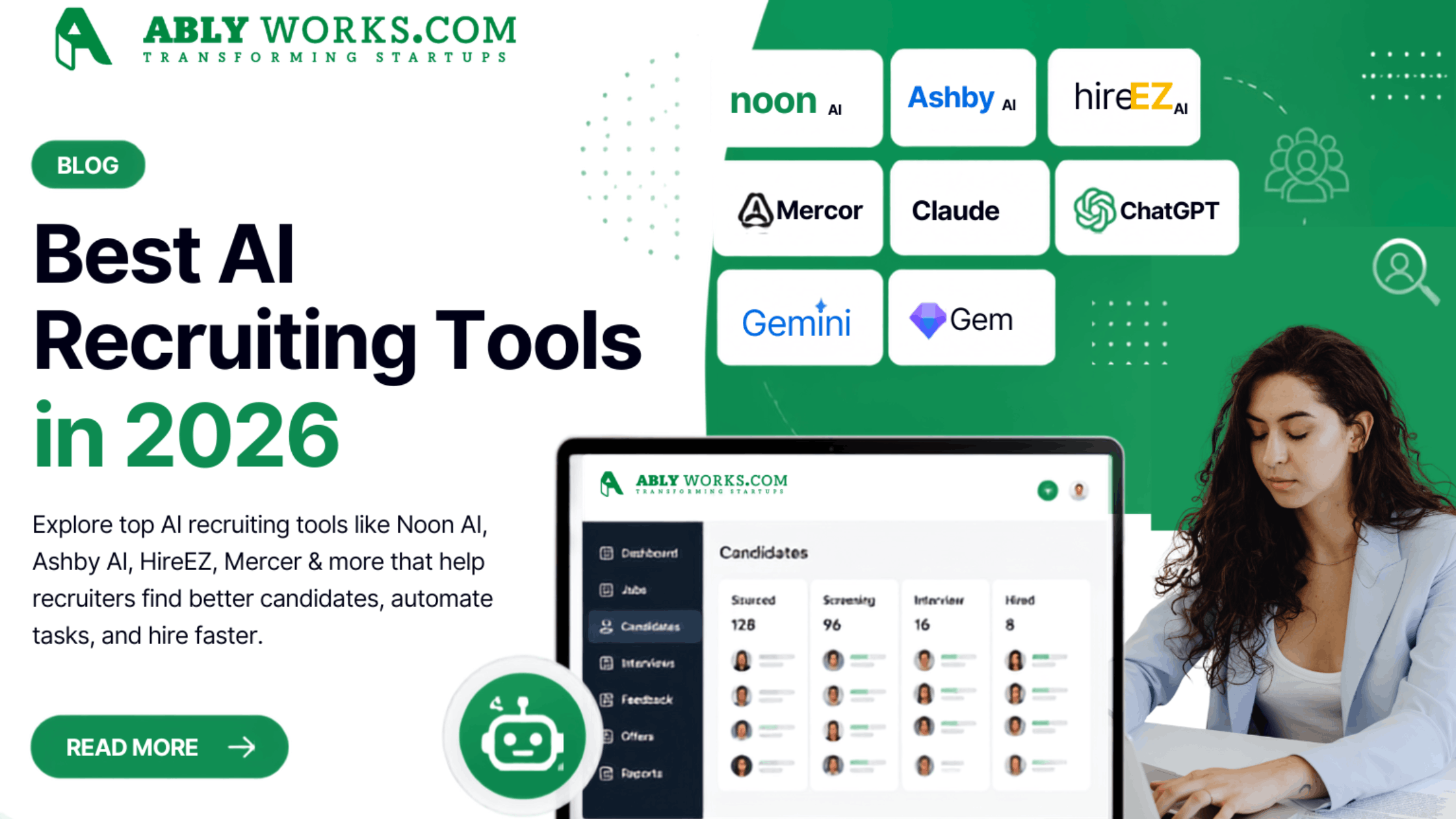
Best AI Recruiting Tools in 2026 like Noon AI, Ablyworks, HireEZ, Mercor, Claude & Why AblyWorks ATS Matters
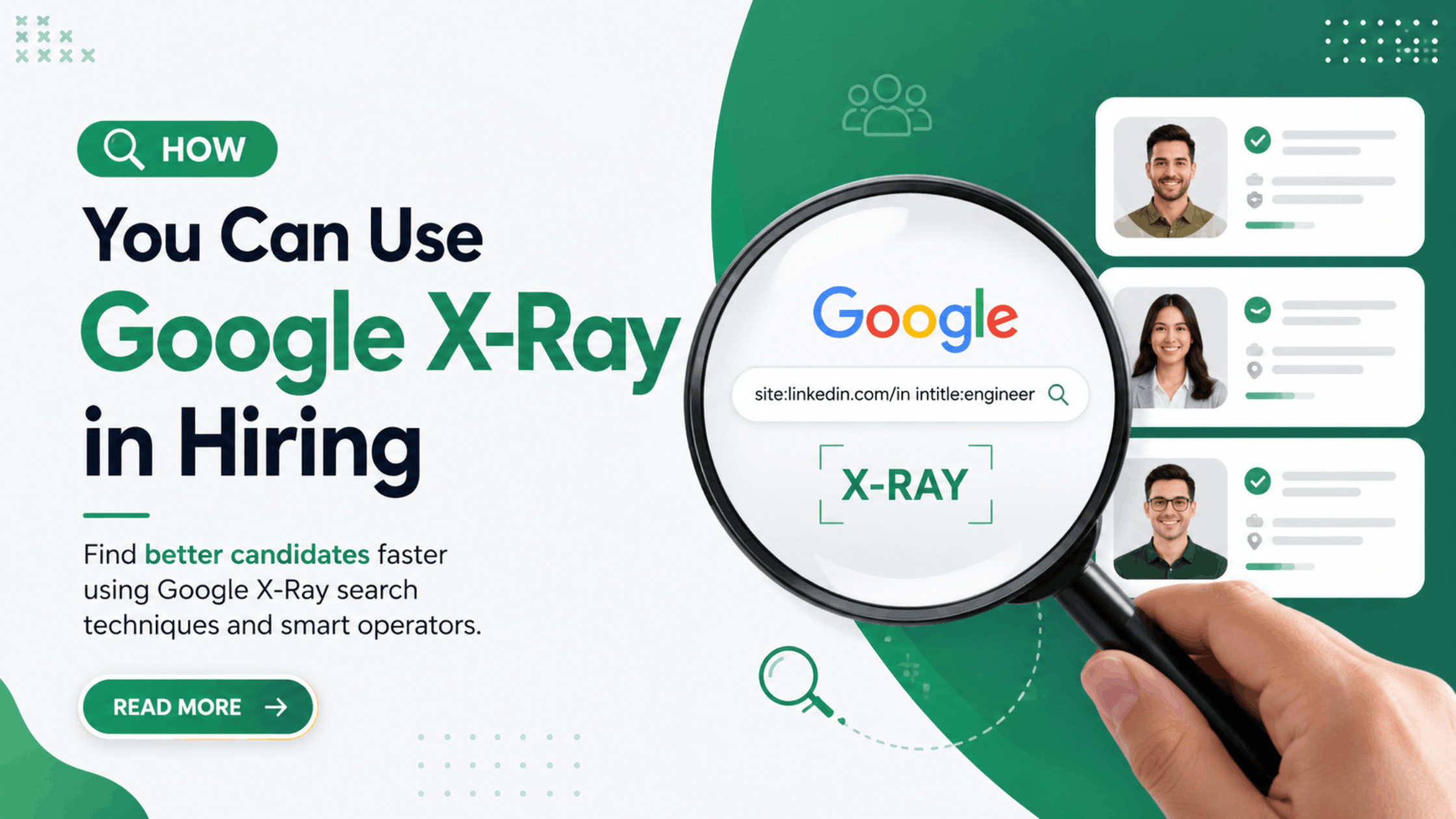
How You Can Use Google X-Ray in Hiring
Why Small Businesses Need an Applicant Tracking System in USA
AI in Applicant Tracking Systems - Key Benefits and Innovations